" Revealing the VR6: An Interesting Guide to Its Performance and Innovation" e
The VR6 engine sticks out in vehicle engineering. Its distinct design merges attributes of both inline and V-type engines. With a portable plan of 6 cylinders, it achieves notable power outcomes while continuing to be fuel-efficient. This overview will certainly explore the details of the VR6, from its performance capabilities to its historical importance. As the vehicle landscape evolves, the significance of the VR6 proceeds to pique passion amongst fanatics and everyday chauffeurs alike.
The Unique Style of the VR6 Engine
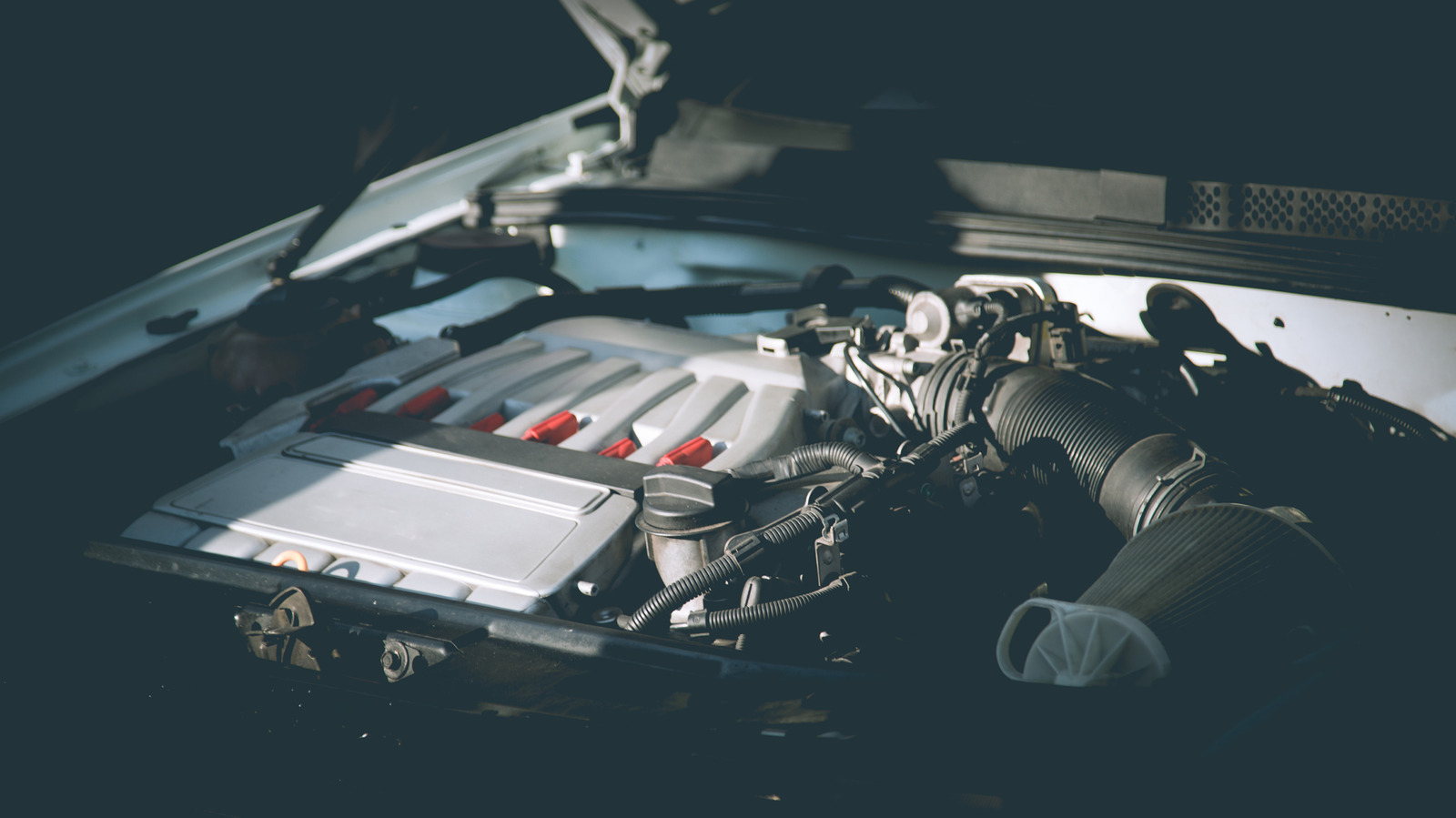
The VR6 engine stands apart in the automotive landscape because of its innovative design that incorporates the features of both inline and V-type engines. This one-of-a-kind arrangement permits a small yet powerful engine layout, featuring six cylinders arranged at a narrow angle. By using a solitary bank of cylinders, the VR6 reduces engine width, making it suitable for vehicles with minimal space. Additionally, the engine attains an equilibrium between efficiency and effectiveness, providing smooth power delivery and a distinct exhaust note. The style includes innovative innovations such as variable valve timing, boosting both responsiveness and gas economic climate. Therefore, the VR6 engine has actually come to be a preferred selection among lovers, using a blend of practicality and exhilarating driving experience in numerous designs.
Design Marvels: Just How the VR6 Works
Including an one-of-a-kind setup, the VR6 engine operates with a mix of ingenious engineering concepts that make the most of efficiency and effectiveness. Its design incorporates the attributes of both V and inline engines, permitting a small kind that fits conveniently within tight engine bays. The engine features a narrow angle between the cyndrical tube banks, usually around 15 levels, which contributes to its space-saving design while preserving smooth operation. Additionally, the VR6 makes use of a single cyndrical tube head, lowering weight and intricacy contrasted to typical V engines. This setup warranties peak combustion effectiveness and boosts thermal monitoring. The engine is furnished with innovative fuel injection systems and variable valve timing, further enhancing its responsiveness and integrity, making it a notable achievement in auto design.
Performance Capabilities: Power and Torque
With power outcomes ranging from 150 to over 300 horse power, the VR6 engine showcases outstanding efficiency capabilities that interest both fanatics and daily vehicle drivers. This unique engine arrangement offers a harmonious equilibrium between performance and drivability, defined by its smooth power distribution and robust torque. Torque numbers generally range from 150 to 300 lb-ft, boosting velocity and responsiveness across various driving problems. The VR6 engine's layout allows for a small size without sacrificing power, making it ideal for a range of vehicles, from sporty coupes to useful cars. This adaptability guarantees that drivers can enjoy spirited driving experiences while profiting from the engine's dependable performance in everyday scenarios, strengthening its online reputation in the automotive landscape.
Gas Efficiency and Discharges Considerations
The VR6 engine's fuel economic situation ratings play a crucial role in its overall charm, especially in an age of increasing environmental recognition. Compliance with discharge requirements is important for producers, as it influences market approval and regulative approvals. In addition, engine adjusting can greatly influence both fuel performance and discharges, highlighting the requirement for a balanced method in performance optimization.
Fuel Economic Situation Ratings

Emission Standards Conformity
Exhaust standards compliance represents an important aspect of the VR6 engine's design and performance. Engineered to satisfy strict guidelines, the VR6 incorporates advanced technologies that reduce hazardous discharges without giving up power. vr6. The integration of features such as catalytic converters and innovative gas injection systems ensures that the engine can operate successfully while sticking to environmental standards. This compliance not only improves the appeal of the VR6 in different markets yet additionally adds to its long-term sustainability. Furthermore, the focus on lower exhausts aligns with expanding customer demand for greener cars. As makers remain to innovate, the VR6 continues to be a proof of the equilibrium in between performance and ecological obligation, satisfying both governing needs and consumer expectations
Engine Adjusting Impact
Tuning the VR6 engine can greatly affect both gas performance and emissions result. By readjusting criteria such as air-fuel proportion, ignition timing, and improve pressure, receivers can optimize engine efficiency to accomplish much better fuel economic climate. A well-tuned VR6 may demonstrate improved throttle feedback and power shipment, which can ultimately lead to decreased fuel consumption during normal driving conditions.
The adjusting procedure have to take into consideration discharge requirements, as aggressive alterations may result in greater exhausts. Particular adjusting methods, such as the installation of aftermarket parts or software program, can boost engine efficiency while still adhering to policies - resource vr6. Ultimately, a well balanced technique to adjusting can yield a VR6 that carries out efficiently without endangering environmental responsibilities
The VR6 in Automotive Background
The VR6 engine has sculpted a remarkable niche in automobile background, representing an unique mix of performance and portable style. Introduced by Volkswagen in the very early 1990s, it combined the very best characteristics of inline and V engines, providing a narrow-angle configuration that permitted a shorter engine block. This style assisted in assimilation right into a variety of automobiles, from the Golf to the Passat, while keeping a powerful efficiency profile. The VR6 gained recognition for its unique sound, smooth procedure, and impressive torque delivery, attracting fanatics and everyday vehicle drivers alike. Over the years, it has been a foundation in Volkswagen's schedule, affecting engine growth and setting criteria for efficiency in small lorries. Its tradition continues to resonate in the automotive world.
Tuning and Modifications for Enhanced Efficiency
Several enthusiasts pursue tuning and alterations to release the full capacity of the VR6 engine, changing its currently excellent performance characteristics. Usual adjustments include updating the consumption and exhaust systems, which boost air movement and enhance throttle response. Numerous go with ECU remapping to enhance gas shipment and ignition timing, causing boosted horsepower and torque. Installing a high-performance turbocharger can greatly improve engine result, making it a popular selection amongst tuners. Furthermore, adjust suspension and brakes warranties that enhanced power is matched by boosted handling and quiting capabilities. Aftermarket intercoolers and updated gas systems even more sustain these alterations, allowing for sustained performance improvements. Overall, these tuning alternatives supply VR6 enthusiasts with a personalized driving experience tailored to their performance wishes.
The Future of the VR6 Engine
As vehicle technology remains to advance, the future of the VR6 engine continues to be a topic of intrigue among suppliers and enthusiasts alike. This one-of-a-kind engine setup, known for its small style and smooth performance, is facing obstacles from emerging options such as electric and hybrid powertrains. The VR6's unique audio and personality click here for more info maintain a loyal following. Makers might explore innovations in materials and turbocharging to improve effectiveness and efficiency, making sure the VR6 stays relevant in the competitive vehicle landscape. Furthermore, prospective adaptations for hybrid systems could expand the engine's life expectancy. Eventually, while the VR6 engine's future may doubt, its tradition remains to motivate advancement and enthusiasm within the auto community.

Regularly Asked Inquiries
What Cars Commonly Include the VR6 Engine?
The VR6 engine is generally found in different Volkswagen and Audi models, consisting of the Golf, Passat, and Jetta, as well as the Audi A3 and A4, showcasing its adaptability and efficiency in multiple applications.
How Does the VR6 Contrast to Inline and V Engines?
The VR6 engine supplies a compact design that combines attributes of both inline and V engines, supplying a balance of smoothness and power. Its distinct configuration permits effective space use without giving up efficiency.
What Are the Common Problems With VR6 Engines?
Common issues with VR6 engines include oil leaks, timing chain tensioner failures, and coolant system troubles (vr6). Additionally, some devices experience intake manifold concerns and prospective getting too hot, which can bring about considerable performance decreases and repair work
Can the VR6 Engine Be Exchanged Into Various Other Autos?
Yes, the VR6 engine can be switched into various vehicles, usually calling for custom-made mounts and adjustments. Lovers frequently seek this swap to boost efficiency, though compatibility and technical challenges must be meticulously considered in advance.
What Is the Cost of a VR6 Engine Substitute?
The expense of a VR6 engine replacement normally ranges from $3,000 to $7,000, depending on variables like labor, components high quality, and whether it's see it here a brand-new or used engine. Costs may differ by location and vehicle model.
The VR6 engine stands out in the auto landscape due to its ingenious style that integrates the features of both inline and V-type engines. Its style integrates the attributes of both V and inline engines, enabling for a portable type that fits quickly within tight engine bays. Presented by Volkswagen in the very early 1990s, it combined the finest features of inline and V engines, using a narrow-angle setup that enabled for a shorter engine block. The VR6 engine provides a compact design that incorporates features of both inline and V engines, supplying an equilibrium of level of smoothness and power. The price of a VR6 engine substitute generally ranges from $3,000 to $7,000, depending on aspects like labor, components high quality, and whether it's a new or made use of engine.